Skip to content

Medical emergency? What to do

Our pupils adjust as we imagine bright and dark scenes

3-RXPublished December 3, 20132 min read

Key points

  • Conjuring up a visual image in the mind - like a sunny day or a night sky - has a corresponding effect on the size of our pupils, as if we were actually seeing the image, according to new research.
  • "Visual imagery is a private and subjective experience which is not accompanied by strongly felt or visible physiological changes," explains psychological scientist and lead researcher Bruno Laeng of the University of Oslo.
  • Initially, participants were asked to look at a screen while triangles of different levels of brightness appeared.
  • The experiments further showed that these results aren't due to voluntary changes in pupil size or differences in the mental effort required to imagine scenes.

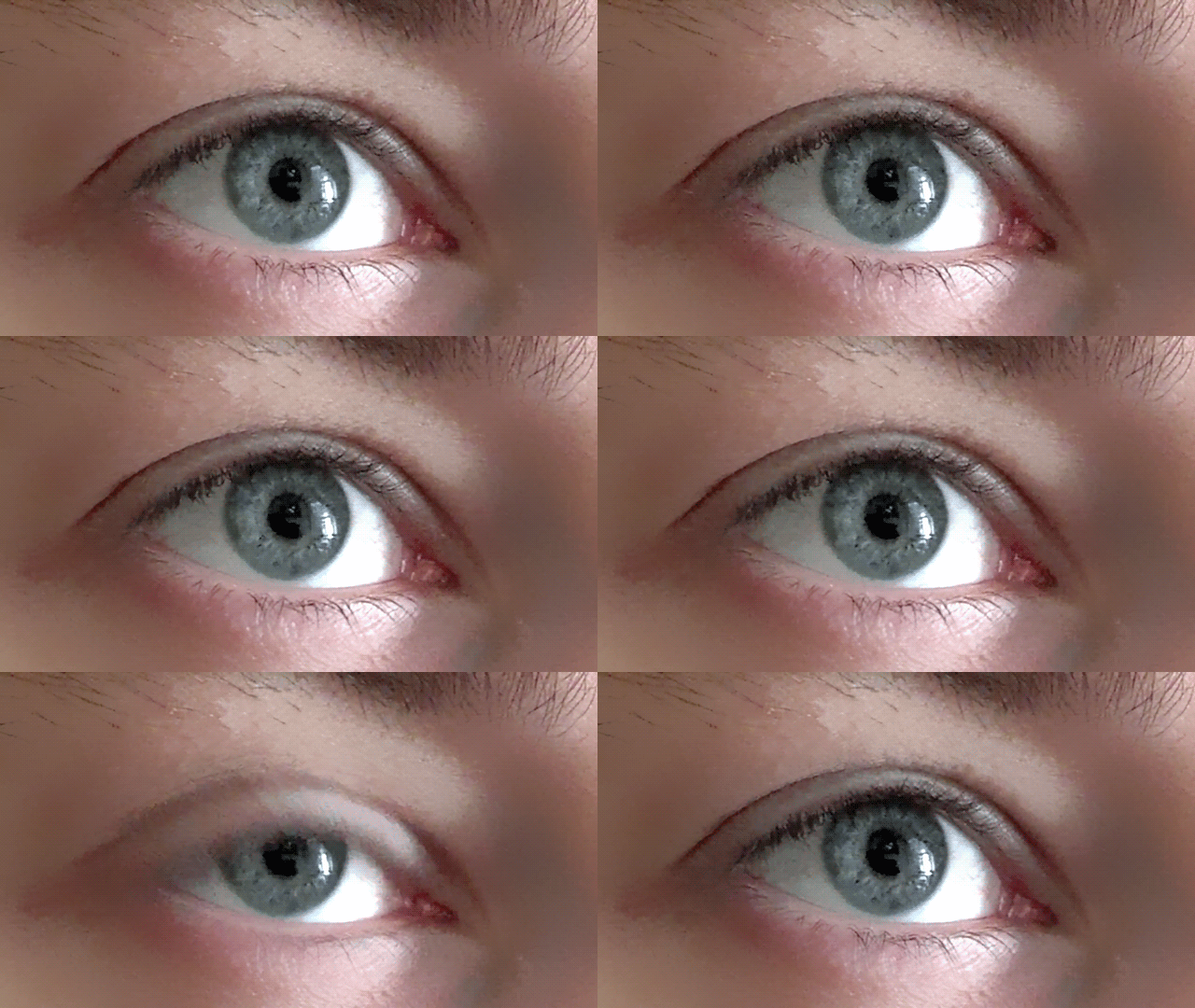
Conjuring up a visual image in the mind - like a sunny day or a night sky - has a corresponding effect on the size of our pupils, as if we were actually seeing the image, according to new research.

These findings, published in Psychological Science, a journal of the Association for Psychological Science, suggest that the size of our pupils is not simply a mechanistic response, but one that also adjusts to a subjective sense of brightness.

"Visual imagery is a private and subjective experience which is not accompanied by strongly felt or visible physiological changes," explains psychological scientist and lead researcher Bruno Laeng of the University of Oslo. "It is a particularly difficult topic to research, as years of controversy about the nature of mental imagery testifies."

Along with co-author Unni Sulutvedt, also from the University of Oslo, Laeng conducted a series of experiments to see whether they could tap into subjective mental imagery by monitoring pupillary size with an eye-tracking device.

Initially, participants were asked to look at a screen while triangles of different levels of brightness appeared. When they were later asked to actively imagine those triangles, the participants' pupils varied in size according to the triangle's original brightness. When imagining brighter triangles, their pupils were smaller. But when imagining darker triangles, their pupils were larger.

In a series of additional experiments, the researchers found that participants' pupils also changed in diameter when imagining a sunny sky, a dark room, or a face in the sun compared with a face in the shade, as if in preparation for experiencing the various scenes.

The experiments further showed that these results aren't due to voluntary changes in pupil size or differences in the mental effort required to imagine scenes.

"Because humans cannot voluntarily constrict the eyes' pupils, the presence of pupillary adjustments to imaginary light presents a strong case for mental imagery as a process based on brain states similar to those which arise during actual perception," says Laeng.

The researchers suggest that this work may have further applications, potentially allowing us to probe the mental experiences of animals, babies, and even patients with severe neurological disorders.

###

For more information about this study, please contact: Bruno Laeng at bruno.laeng@psykologi.uio.no.

###

Anna Mikulak
amikulak@psychologicalscience.org
202-293-9300
Association for Psychological Science

The content on this site is for information only and is not a substitute for professional medical advice, diagnosis or treatment. Drug information pages are an archive and may be out of date: always follow your prescriber, your pharmacist and the current product label. In an emergency, call 911.

Filed underBrain

Keep reading

Brain

No family link seen between Parkinson's, melanoma

Research has suggested that families affected by melanoma skin cancer may also have a higher-than-average rate of Parkinson's disease -- but a large new study found no evidence of such a link. This doesn't mean no…

4 min read

When to get help

Reading is for later. These need care now.

Call 911 or go to an emergency department if you or someone with you has any of these:

  • Chest pain or pressureEspecially with breathlessness, sweating or pain in the arm, jaw or back. It can be a heart attack.
  • Face drooping, arm weakness, slurred speechSigns of a stroke. Note the time they started: treatment works best within hours.
  • Severe trouble breathingIncluding a severe allergic reaction with swelling of the lips, tongue or throat.
  • Thoughts of suicideCall or text 988 (Suicide & Crisis Lifeline, US) any time, day or night.

Outside the US, call your local emergency number.

See a doctor within days

  1. 01A new lump, or a sore that does not healMost lumps are harmless, but anything that grows or lasts more than a few weeks should be checked.
  2. 02Unexplained weight loss or lasting fatigueLosing weight without trying, or tiredness that does not lift, can have many causes worth finding.
  3. 03A new medicine and new symptomsSide effects and interactions are common. Ask your pharmacist or prescriber before you stop anything.

General guidance only. If you are unsure how urgent a symptom is, call your doctor or a nurse advice line.